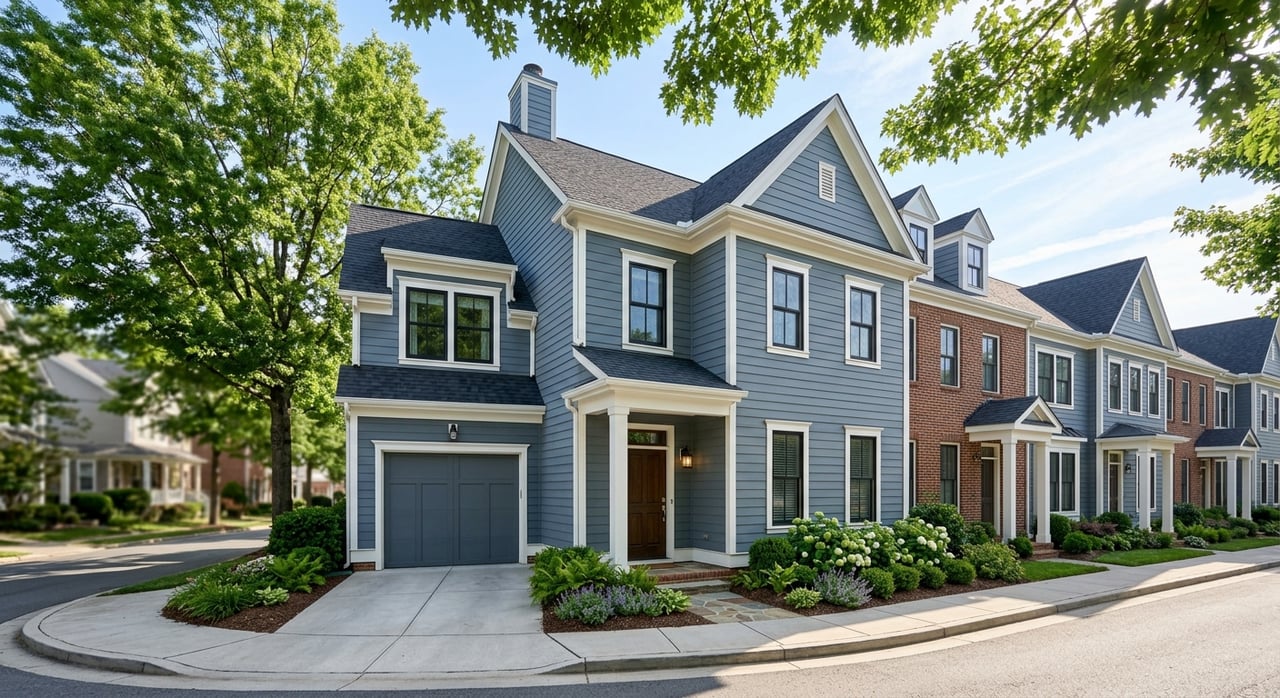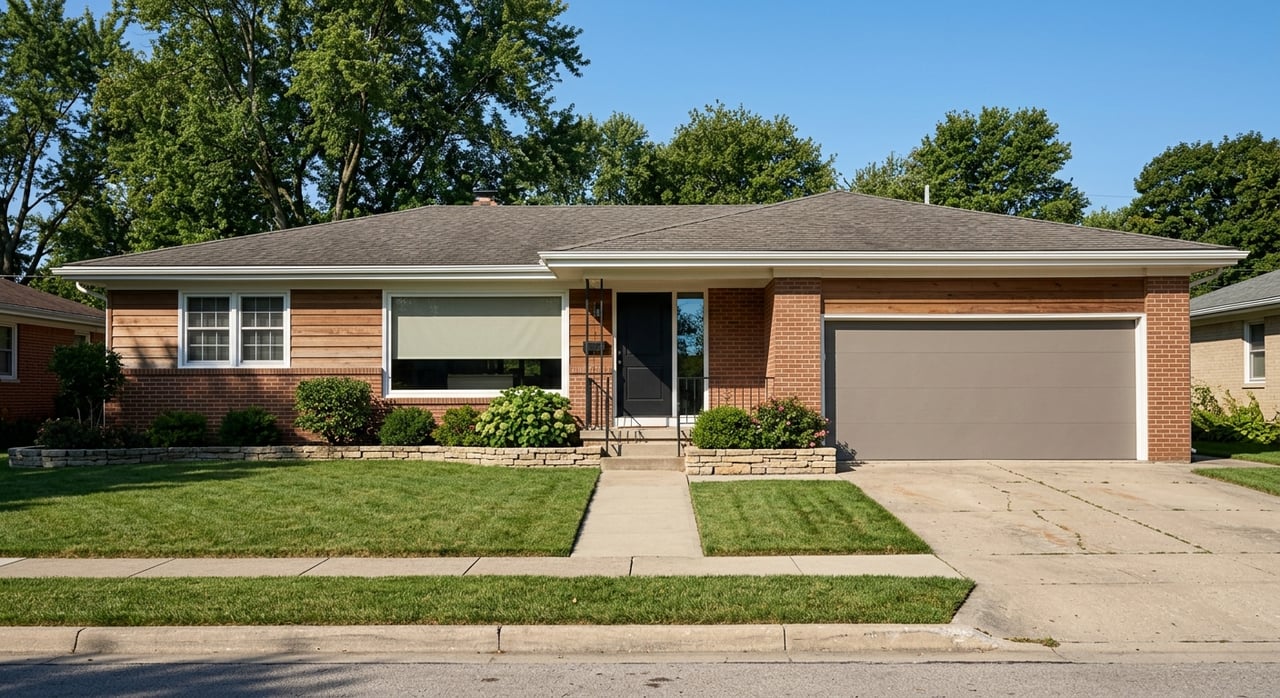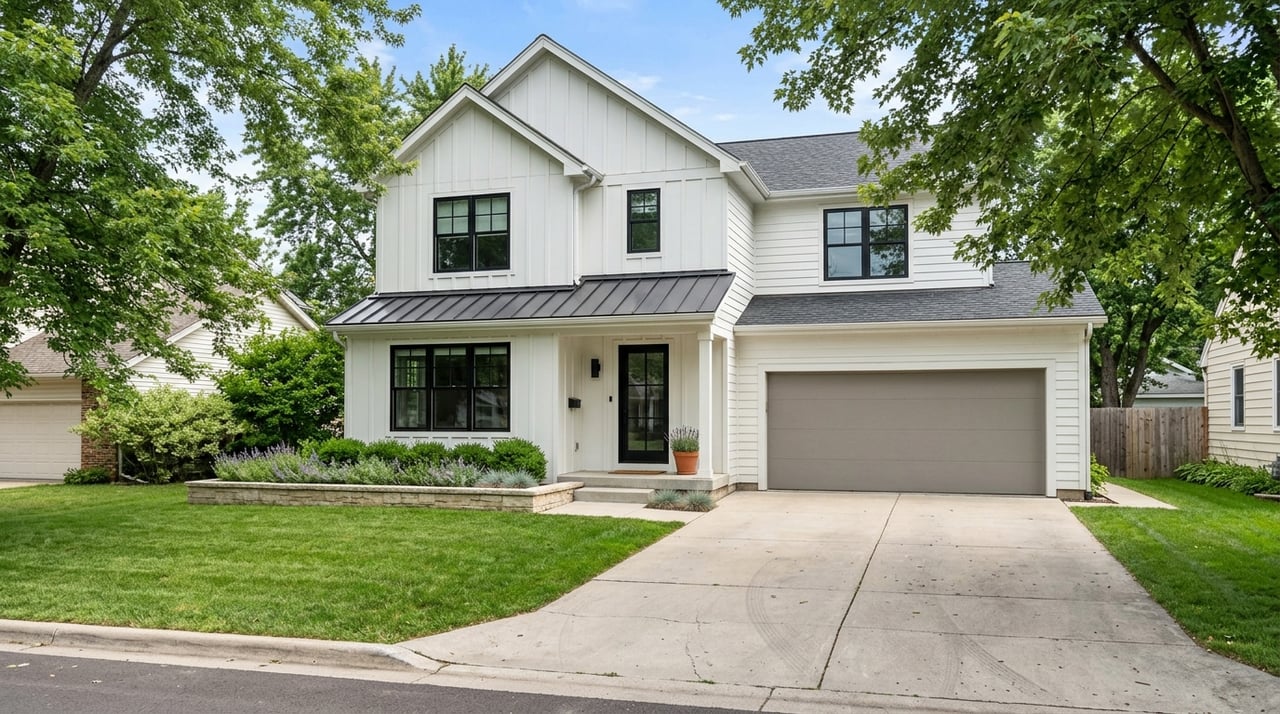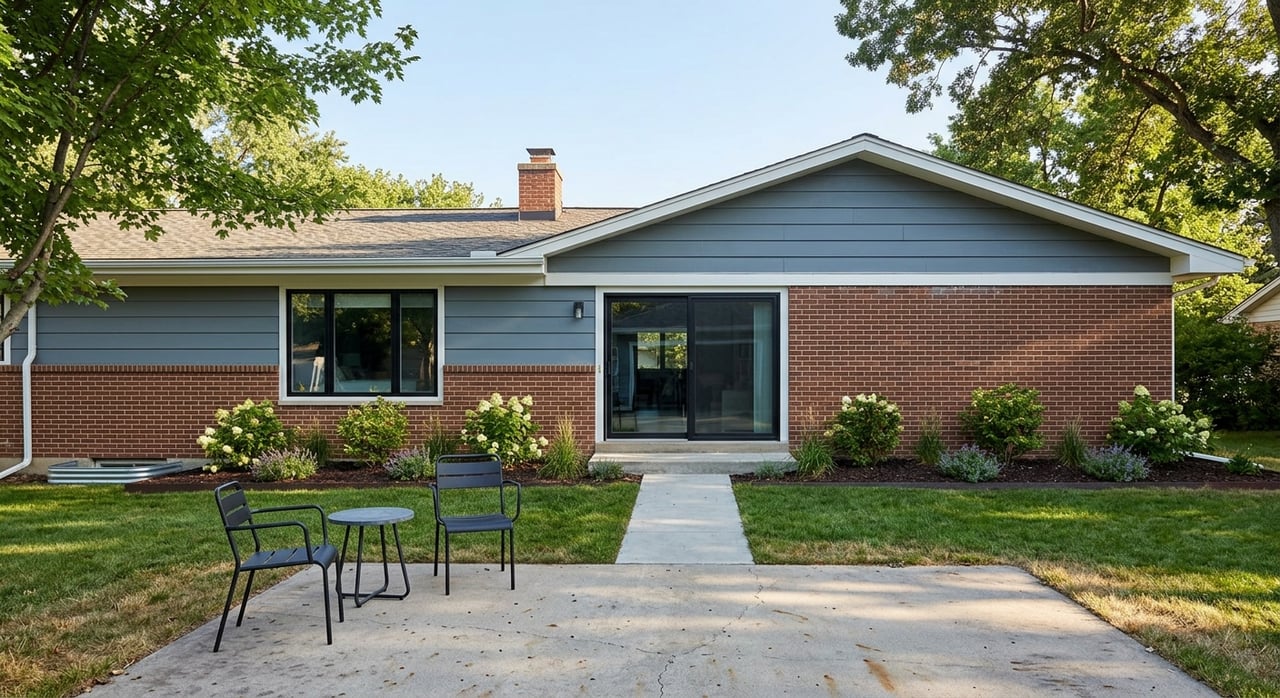
Wondering why one Boulder home feels like a sun-filled retreat while another reads as a storybook classic or a clean-lined mid-century design? If you are a design-minded buyer, learning how to spot local home styles can help you move past surface finishes and understand how a property may live day to day. In Boulder, architecture is shaped by sunshine, open-space views, preservation rules, and decades of neighborhood growth. Let’s dive in.
Why Boulder homes feel distinct
Boulder’s setting plays a big role in how homes look and function. The city sits at about 5,430 feet, enjoys roughly 300 days of sunshine according to the University of Colorado Boulder, and includes more than 45,000 acres of open space. That combination helps explain why many homes emphasize daylight, outdoor living areas, and connections to surrounding views.
Local regulations also shape the built environment. Boulder’s building-coverage standards are intended to help preserve open space, sky access, and privacy. In addition, the city has 10 local historic districts, and if a home is landmarked or located in a historic district, exterior changes require review through a Landmark Alteration Certificate under the city’s design guidelines.
For you as a buyer, that means style in Boulder is not just aesthetic. It is often tied to light, flow, lot use, and what may or may not be possible if you want to make exterior updates.
Historic Boulder home styles
Historic homes in Boulder often reward close attention. According to the city’s historic design guidelines, vernacular wood frame is the most common historic style, while older residential forms also include Italianate, Queen Anne, and Edwardian Vernacular homes. In many cases, you will identify these homes less by one decorative detail and more by their overall shape, roofline, windows, and ornament.
Vernacular wood frame homes
These homes are common across Boulder’s historic housing stock. They tend to be simpler in form than high-style Victorian homes, but they still carry strong visual character through massing, roof shape, and window placement.
If you like older homes with a straightforward look and original proportions, this category is worth a second look. These properties can offer historic character without the more elaborate ornament found in some late-19th-century styles.
Victorian-era influences
Boulder’s historic districts include homes influenced by Italianate, Queen Anne, and other revival forms. In the Mapleton Hill historic district overview, the city notes that the area preserves a broad mix of late-19th-century revival styles.
In practical terms, massing and roof form are often the clearest clues. Vertical Italianate forms, asymmetrical Queen Anne forms, and more decorative detailing can signal an older Victorian-era home. If you are drawn to layered facades and more expressive architecture, these homes may stand out immediately.
Bungalow and Craftsman homes
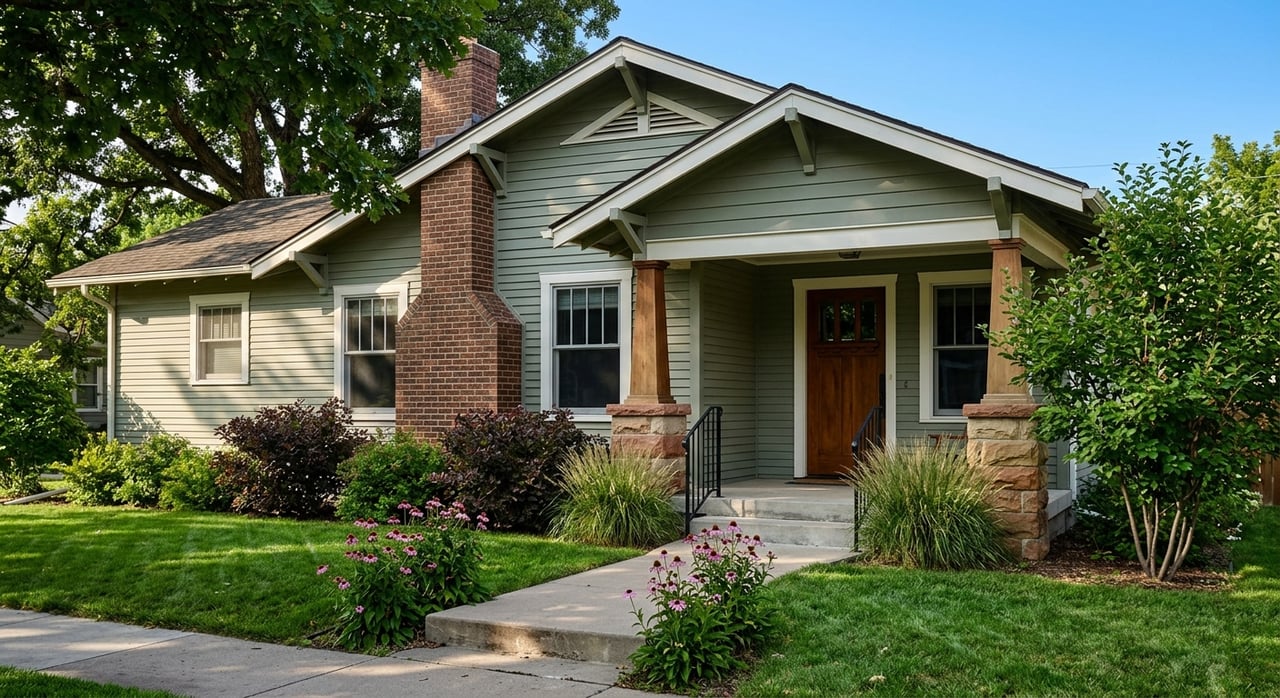
For many buyers, bungalow and Craftsman homes hit a sweet spot between character and livability. History Colorado describes the Colorado bungalow as a one- or one-and-one-half-story home with a gently pitched front or side gable roof, overhanging eaves, broad porches, and exposed rafter ends.
In Boulder, these homes often feel grounded, scaled for everyday use, and strongly connected to the street through their porches. If you value warm architectural detail and a home that feels welcoming rather than formal, this style is often appealing.
Floral Park’s distinct look
Some Boulder historic areas have a highly specific architectural identity. Floral Park, for example, is a small district of eight houses built as an adaptation of Monterey Revival and Colonial style, with white-painted brick, shutters, and red tile roofs.
If you are touring homes and notice a very cohesive streetscape, that consistency may be part of the district’s historic significance. In settings like this, architectural character extends beyond one property and becomes part of the broader visual experience of the neighborhood.
Postwar Boulder home styles
As Boulder grew after World War II, new neighborhoods introduced different housing types and a more horizontal, informal design language. The city’s postwar survey documents ranch, split-level, bi-level, and contemporary homes in neighborhoods including Martin Acres, Park East, and Table Mesa.
For design-minded buyers, these homes can offer clean structure, practical layouts, and strong renovation potential. They often prioritize indoor-outdoor living in a way that still feels relevant today.
Ranch homes
Ranch homes in Boulder usually read as low, long, and horizontal. The city’s postwar survey points to common features such as attached carports or garages, broad picture or ribbon windows, mixed exterior materials, deep overhangs, and entry courtyards or patios.
That combination often creates a relaxed feel and an easy connection to the yard. Ranch homes may also appeal if you prefer simpler circulation and a layout that can adapt well to modern updates.
Split-level homes
Split-level homes organize space across staggered floors. In a National Park Service residential-style example, the lower level often holds the garage and louder household functions, the middle level serves as the main living space, and bedrooms are placed above.
In Boulder, split-levels are one of the defining postwar types, especially in Table Mesa. If you want separation between activity zones without the footprint of a larger two-story home, this style may be worth exploring.
Contemporary homes
Boulder’s postwar survey describes Contemporary houses as angular, low-ornament homes with flat or low-pitched roofs, strong horizontality, broad overhangs, ribbon windows, floor-to-ceiling glazing, and minimal porches. The survey also notes that these homes were more often custom-designed than tract-built.
That custom quality can make them especially attractive to buyers who appreciate architecture as much as square footage. If you are drawn to glass, clean lines, and a stronger visual connection between inside and outside, Boulder’s contemporary homes can be especially compelling.
How to identify style in a listing
When you are scrolling listings or walking through homes, a few features can tell you a lot before you get into finishes or staging.
Start with roofline and massing
Roofline and overall form usually tell the first story. Steeper pitches, asymmetry, and more ornament often suggest Victorian-era or Queen Anne influences, while low horizontal forms are more typical of ranch and contemporary design.
If a home feels tall, layered, and decorative from the curb, it likely belongs to an older architectural tradition. If it feels grounded, stretched across the lot, and visually calm, it may be postwar or contemporary.
Read the windows
Windows can reveal both style and how the home handles light. Picture windows, ribbon windows, and large glazed walls often point to mid-century or contemporary design, while smaller multi-light or more ornamented windows tend to appear more often in older homes.
This matters in Boulder because sunlight is such a defining part of daily life. A home’s window pattern can shape not only curb appeal, but also how bright and open the interiors feel.
Notice porches, patios, and courtyards
Outdoor transition spaces are especially important in Boulder. Porches may reinforce the character of a bungalow or older home, while patios and courtyards often play a bigger role in ranch and postwar design.
These spaces are not just style markers. They also support the indoor-outdoor rhythm that many buyers want in a city known for sunshine and access to open space.
Historic district considerations
If you are considering a home in a historic district or an individually landmarked property, exterior updates come with an extra layer of review. The city states that exterior changes require Landmark Alteration Certificate review, and its guidelines for individual landmarks and historic districts are intended to keep alterations compatible with historic character.
That does not mean a historic home cannot evolve. It does mean you will want to understand the review process early, especially if your wish list includes exterior remodeling, additions, or replacement windows and doors.
The city’s window and door replacement worksheet is also helpful because it highlights how character-defining those elements can be. For design-minded buyers, this is an important reminder that even small changes can affect how a home’s style reads.
Which Boulder style may fit you best
The right style often comes down to how you want your home to feel and function.
- Historic vernacular or Victorian-era homes may appeal if you value original detail, expressive architecture, and established streetscapes.
- Bungalow and Craftsman homes may fit if you want warmth, porch-oriented charm, and a more intimate scale.
- Ranch homes may work well if you prefer simple forms, flexible layouts, and easier indoor-outdoor flow.
- Split-level homes may suit you if you like separated living zones and practical postwar design.
- Contemporary homes may be the strongest match if you prioritize glazing, clean lines, and architecture with a custom feel.
Boulder’s housing stock is varied, but the common thread is thoughtful response to sun, views, and everyday livability. When you know what to look for, you can evaluate homes with more clarity and confidence.
If you want help comparing home styles, neighborhoods, and renovation considerations in Boulder, Barb Passalacqua can help you look beyond listing photos and identify the homes that truly fit your priorities.
FAQs
What are the most common historic home styles in Boulder?
- Boulder’s historic housing stock commonly includes vernacular wood frame homes, along with Italianate, Queen Anne, Edwardian Vernacular, bungalow, and Craftsman influences.
What defines a Boulder ranch home?
- Boulder ranch homes are typically low and horizontal, often with picture or ribbon windows, attached garages or carports, deep overhangs, and patios or courtyards.
What should buyers know about Boulder historic districts?
- If a home is individually landmarked or located in a local historic district, exterior changes require Landmark Alteration Certificate review under the city’s preservation guidelines.
How can buyers identify a Boulder split-level home?
- Split-level homes usually separate functions across staggered floors, with living spaces on a middle level, bedrooms above, and garage or utility areas on a lower level.
Why do Boulder homes emphasize light and outdoor spaces?
- Boulder’s high elevation, roughly 300 days of sunshine, open-space setting, and local standards related to sky access and open space all help shape homes that prioritize daylight and indoor-outdoor connection.