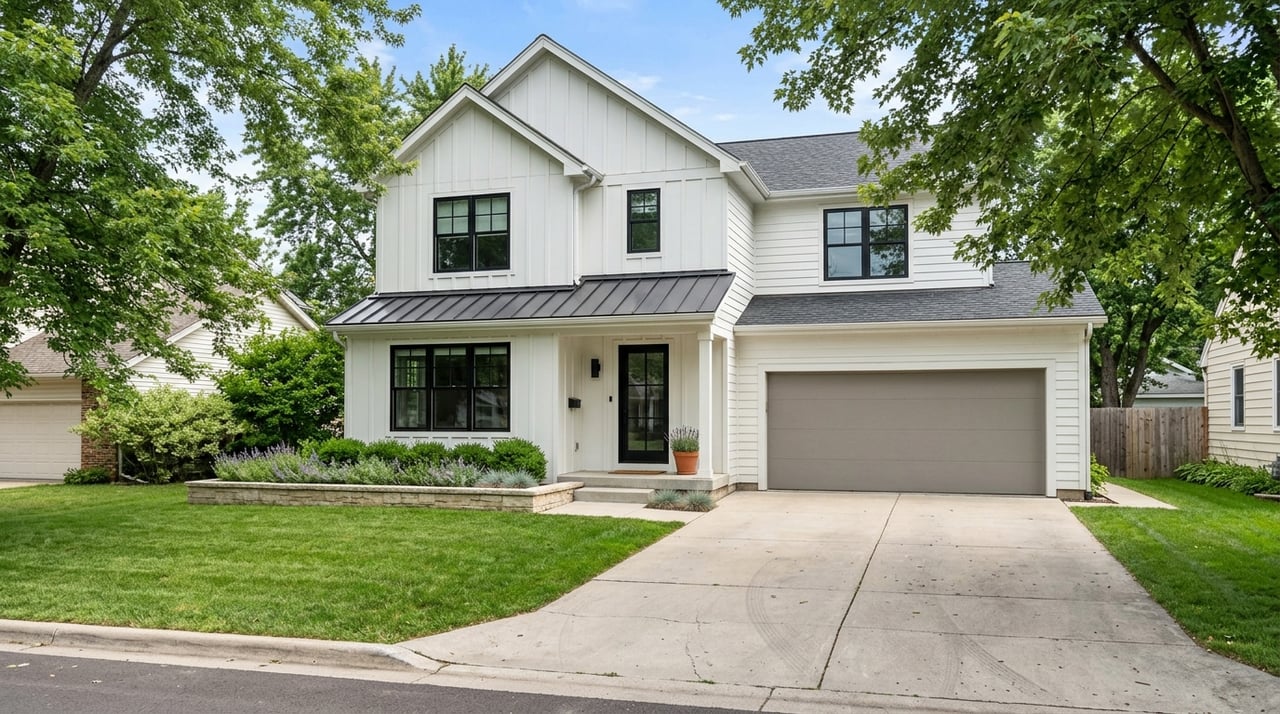
If you already know Boulder and you are ready for more house, a different layout, or a better daily rhythm, the hard part is usually not choosing Boulder. It is choosing which version of Boulder fits your next chapter. From walkable central streets to foothill trail access to lower-maintenance east-side options, each area offers a different balance of lifestyle, housing form, and long-term flexibility. Let’s dive in.
Start With Your Daily Pattern
For most move-up buyers in Boulder, the decision comes down to three tradeoffs: how close you want to be to the core, how easily you want to reach open space, and what kind of home you want to live in over time. The city has 45,000 acres of preserved open space, more than 150 miles of trails, and a multimodal network with more than 300 miles of bikeways, 73 miles of multi-use paths, and nearly 90 bicycle and pedestrian underpasses.
That means your neighborhood choice is often less about finding one "best" area and more about matching your routines. If your week includes downtown errands, school or campus trips, and trail time, the right neighborhood is the one that supports those patterns with the fewest compromises.
Central Boulder for Walkability
Central Boulder is the strongest fit if you want the shortest walk to downtown amenities and a more urban feel. This group includes Downtown, West Pearl, Mapleton Hill, and University Hill.
Downtown Boulder centers on the Pearl Street Mall, a four-block pedestrian mall in the city’s largest and most architecturally significant historic commercial district. If being able to step out for coffee, restaurants, shops, and events matters most, this is the obvious first stop on your shortlist.
Mapleton Hill and West Pearl
Mapleton Hill is Boulder’s third and largest historic district, while West Pearl features small-scale vernacular homes from the late 19th century. These areas often appeal to buyers who want historic character close to the core.
The tradeoff is flexibility. If you think your next home may need exterior changes later, historic-district rules matter a lot in this part of town.
University Hill Considerations
University Hill offers a dynamic commercial area with eclectic restaurants, shops, and entertainment venues. For some buyers, that energy is a plus because it adds activity and convenience close to home.
For others, the more active setting may feel less aligned with a quieter residential routine. This is where honest lifestyle matching becomes more useful than broad assumptions.
Historic District Rules Matter
Before you fall in love with a central Boulder home, think about how much freedom you want to change it. Boulder requires Landmark Alteration Certificate review for all exterior changes to a property in a historic district or to an individual landmark, including newer buildings inside a district.
That can affect plans to add on, replace windows, install solar, or make other visible exterior updates. If your move-up purchase is partly about creating a long-term custom fit, this should be part of your neighborhood decision from the start.
North Boulder for Trails and Change
North Boulder and Wonderland Lake are worth a close look if you want a neighborhood that feels connected to trails but is still evolving. The city’s planning describes North Boulder as a diverse, adaptive area, and the 2024 amendment adds new mixed-use and residential planning changes in key spots.
That makes North Boulder appealing for buyers who like the idea of living in a part of the city that is not frozen in time. You get access to established Boulder lifestyle perks, but with an area that continues to change.
Wonderland Lake Access
Wonderland Lake Trailhead gives you access to Wonderland Lake, South Foothills trails, and the Foothills Nature Center. The SKIP also stops right by the trailhead, which adds a practical transportation advantage.
If your version of a great week includes quick outdoor access without always heading to Boulder’s busiest foothill gateways, this area deserves strong consideration. It can offer a more manageable trail routine than some of the city’s most iconic access points.
South Boulder for Detached Homes
South Boulder is often the best fit for move-up buyers who want more of a neighborhood-home feel and strong trail access. Table Mesa, Shanahan Ridge, and nearby areas tend to align with buyers looking for postwar detached homes and a more suburban single-family pattern.
A city survey identified Table Mesa’s curvilinear site plan and late-postwar residential architecture as significant. In practical terms, that supports the area’s reputation for a more traditional neighborhood feel compared with denser or more mixed-use parts of Boulder.
Table Mesa Daily Convenience
Table Mesa is not just about housing form. The reopened Table Mesa King Soopers remains a cornerstone amenity for daily life in South Boulder.
That matters for move-up buyers because convenience often becomes more important in the next stage of ownership. Being close to useful everyday services can shape quality of life just as much as a beautiful lot or extra square footage.
Trails in South Boulder
South Boulder offers excellent access to outdoor spaces. NCAR and NCAR-Skunk Canyon sit at the west edge of Table Mesa, South Mesa is one of the city’s most popular trailheads, and Shanahan Ridge Park is on the SKIP route and close to OSMP trails.
The tradeoff is popularity. South Mesa is very popular and can fill quickly on weekends, so your trail lifestyle may be amazing, but it may not always feel effortless at peak times.
Chautauqua for Iconic Setting
Chautauqua stands apart from the rest of South Boulder. It is a 40-acre historic landmark bordered on three sides by open space, which gives it one of the most distinctive settings in the city.
For some move-up buyers, that adjacency to open space and historic setting is exactly the point. For others, the reality of a high-traffic trailhead and difficult parking may outweigh the romance of the location.
This is a neighborhood to choose with open eyes. If you love the idea of living next to one of Boulder’s most recognized outdoor gateways, make sure you also feel comfortable with the crowds and parking constraints that come with it.
East Boulder for Lower Maintenance
East Boulder and Boulder Junction are strong options if you want a different kind of move-up. Instead of prioritizing historic character or foothill proximity, you may be looking for lower-maintenance living, mixed-use surroundings, or a neighborhood shaped by long-range planning.
The East Boulder Subcommunity Plan aims to create a local business hub with a variety of housing options and an artful community connected to the city and region. That broader vision makes the area especially relevant for buyers who care about where a neighborhood is heading, not just where it is today.
Boulder Junction Tradeoffs
Boulder Junction is a 160-acre transit village centered around 30th Street, Pearl Street, Valmont Road, and Foothills Parkway. The city describes it as a mixed-use, pedestrian-oriented place, with updates calling for greater density, more transportation connections, more public spaces, and a wider range of building types.
That vision can be compelling for buyers who want a more urban, lower-maintenance lifestyle. At the same time, the district page states there are currently no bus routes into the location, so it is smart to verify present-day service rather than assume the planning vision matches daily transit convenience.
Gunbarrel for a Quieter Edge
Gunbarrel belongs on the shortlist if you want a quieter, lower-density edge of Boulder with an evolving town-center concept. Planning for the community center area shifts the district from mostly light industrial uses toward a pedestrian-oriented commercial center.
Surrounding residential development is described in planning documents as generally low-density. For move-up buyers who want breathing room and a less central feel, that can make Gunbarrel a very practical option to compare against east and south Boulder neighborhoods.
Use Commute Corridors as a Filter
One of the smartest ways to narrow your search is to think about which corridor your home feeds into every day. Boulder’s Core Arterial Network focuses improvements on Baseline, Iris, and Folsom.
Folsom is described as a key north-south corridor linking residents, office space, restaurants, shops, groceries, parks, and CU Boulder. Baseline connects East Boulder residents to RTD and Buff Bus routes, while Boulder Junction is organized around 30th Street, Pearl Street, Valmont Road, and Foothills Parkway.
If two neighborhoods both seem appealing, the tie-breaker may be the route you will use most often. In a move-up purchase, the quality of your daily path can matter just as much as the home itself.
A Simple Boulder Shortlist
If you want a practical place to begin, start here:
- Mapleton Hill, West Pearl, or Downtown if historic character and walkability to the core come first.
- North Boulder or Wonderland Lake if trail access and an evolving neighborhood fabric matter most.
- Table Mesa or South Boulder if you want detached-home living with foothill access.
- East Boulder or Boulder Junction if mixed-use living or lower-maintenance housing is the goal.
- Gunbarrel if you prefer a quieter, lower-density setting with future town-center growth.
- Chautauqua if open-space adjacency and historic setting outweigh the challenges of crowds and parking.
The best move-up choice is usually not the neighborhood with the strongest reputation. It is the one that supports the way you actually want to live for the next five to ten years.
A thoughtful search can save you from buying a beautiful home in the wrong pattern of daily life. If you want help comparing Boulder neighborhoods through the lens of trails, housing form, commute corridors, and long-term fit, Barb Passalacqua brings the local insight and steady guidance that move-up buyers need.
FAQs
What should Boulder move-up buyers compare first between neighborhoods?
- Start with your daily pattern: walkability, trail access, commute corridor, and the type of home you want to maintain over time.
Which central Boulder neighborhoods are best for walkability?
- Downtown, West Pearl, Mapleton Hill, and University Hill are the strongest options for buyers who want close access to downtown amenities.
What should buyers know about Boulder historic districts?
- Exterior changes in a historic district or to an individual landmark require Landmark Alteration Certificate review, which can affect future renovation plans.
Which Boulder neighborhoods are best for trail access?
- North Boulder and Wonderland Lake offer convenient trail access, while South Boulder areas like Table Mesa and Shanahan Ridge are also strong choices for buyers who want to be close to foothill trails.
Is Boulder Junction a good fit for move-up buyers?
- It can be a strong option if you want mixed-use, pedestrian-oriented, or lower-maintenance living, but you should verify current transit service rather than rely only on the area’s long-term planning vision.
Why do Boulder commute corridors matter when choosing a neighborhood?
- Corridors like Baseline, Iris, and Folsom shape how you move through the city every day, so they can have a major impact on convenience and overall lifestyle fit.