Trying to compare Lafayette neighborhoods and feeling torn between charm, convenience, and commute? You’re not alone. Lafayette offers distinct pockets that suit different daily rhythms, from walkable historic streets to planned communities and corridor homes near major routes. In this guide, you’ll learn how each area feels, who it tends to fit, and what to verify before you commit. Let’s dive in.
Lafayette at a glance
Lafayette sits in Boulder County on Colorado’s Front Range, between Boulder and Denver. The city blends a walkable historic downtown core with newer residential growth at the edges. Many buyers choose Lafayette for proximity to area jobs, a small-town main street with restaurants and events, and strong access to parks and trails.
Local planning shapes what you see on the ground. Infill and redevelopment happen around Old Town, while new construction continues on the outskirts. Major roads guide commuting patterns, and city investments in open space, trails, and stormwater projects can influence amenity access and future buildability. Always verify current details through the City of Lafayette, county assessor data, and the local school district for the property you’re considering.
Old Town Lafayette: walkable and historic
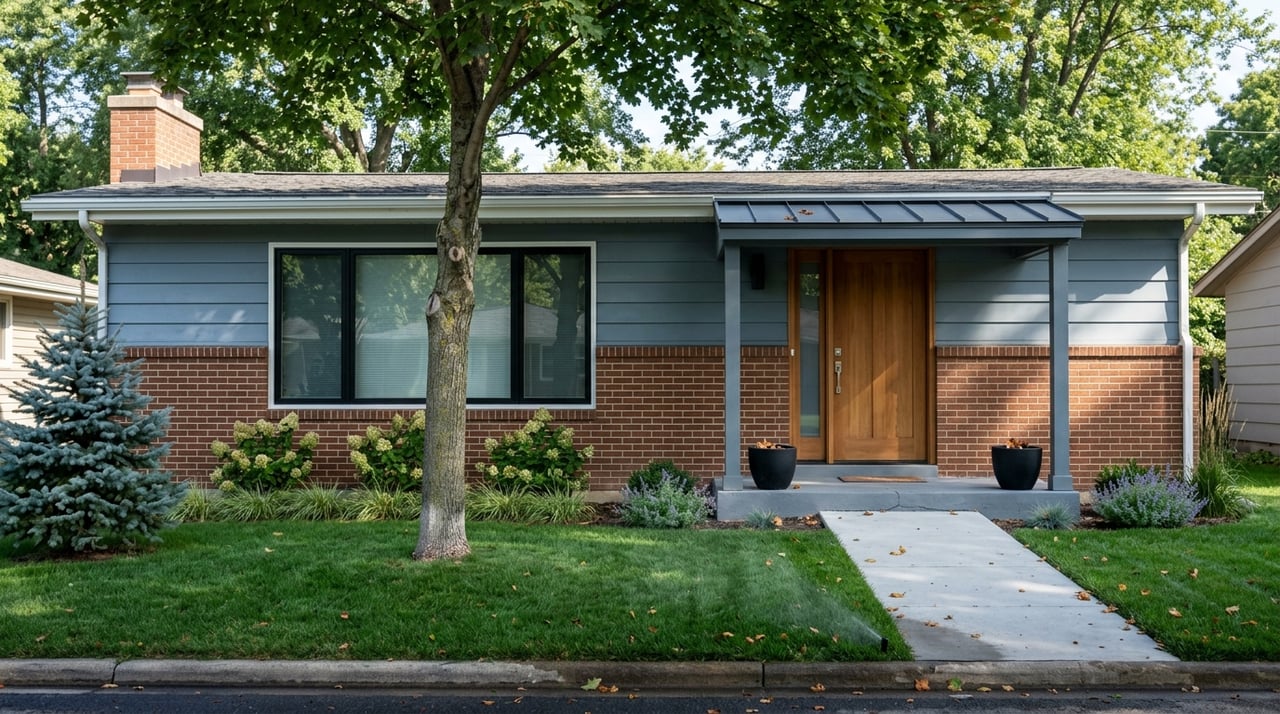
Expect older single-family homes here, including bungalows, cottages, and early 20th-century styles on generally smaller lots. Streets typically follow a grid with sidewalks and mature trees, creating a connected neighborhood feel. You’ll often have easy walking access to downtown shops, restaurants, community events, and central parks. Depending on location, you may also be close to Waneka Lake Park.
Who it suits
- You want a walkable lifestyle with everyday amenities close by.
- You appreciate historic character and a strong sense of community.
- You prefer a smaller yard and shorter drives for errands.
What to consider
- Older homes may need updates for systems like electrical, plumbing, and insulation.
- Some properties can fall under historic overlays or local preservation rules; confirm permitting early.
- Lots near creeks can have floodplain and setback requirements that affect improvements.
Quick checks before you buy
- Walk the area at different times to gauge parking, activity, and noise.
- Review city permitting history and any preservation guidelines for the property.
- Ask for ages of major systems and insulation details.
- Confirm any floodplain and drainage constraints with city and county maps.
Newer master-planned communities: modern and convenient
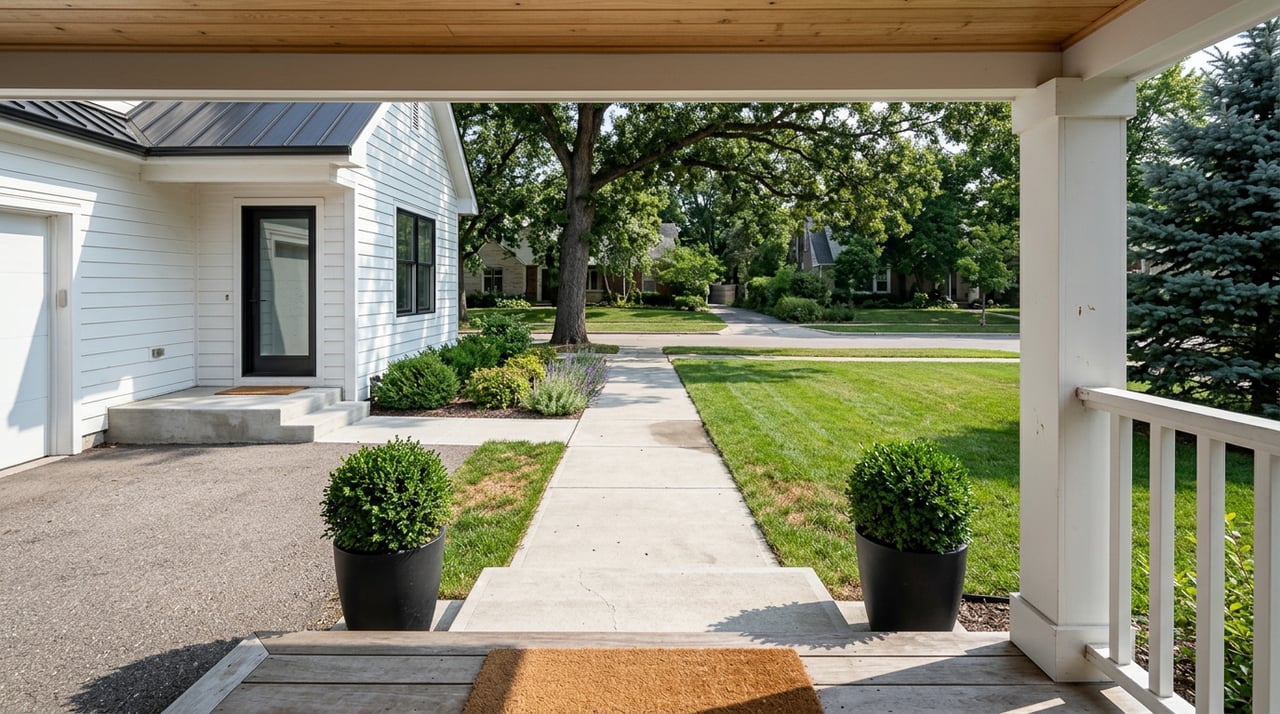
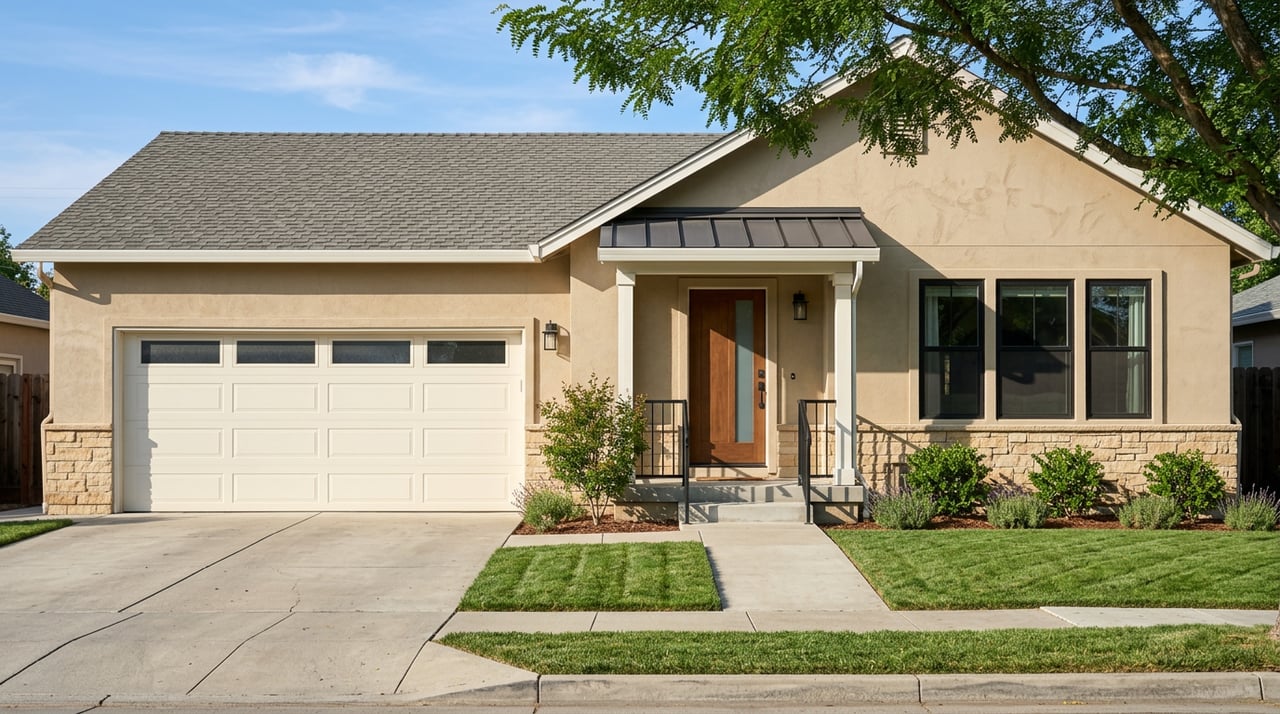
Newer subdivisions typically offer a mix of single-family homes, paired homes, and townhomes with modern floor plans and finishes. Lot sizes tend to be more regular, with curving streets, cul-de-sacs, and planned open spaces. HOAs are common and may include landscaping standards or exterior maintenance. Many of these neighborhoods feature onsite parks, pocket green spaces, and trail connections.
Who it suits
- You want newer, energy-efficient construction and open-concept layouts.
- You value neighborhood playgrounds, predictable lot sizes, and organized streets.
- You prefer low-maintenance living through HOA-provided services.
What to consider
- Review HOA fees, covenants, and rules to understand what’s covered and any restrictions.
- Ask about nearby future development, including commercial sites and road improvements.
- Verify current school assignments with the district, especially in newer edge areas.
Quick checks before you buy
- Request HOA documents, fee schedules, and reserve information.
- Drive the perimeter to identify planned sites that could change traffic or views.
- If buying newer construction, ask about builder warranties and recent incentives.
Commuter corridor neighborhoods: close to major routes
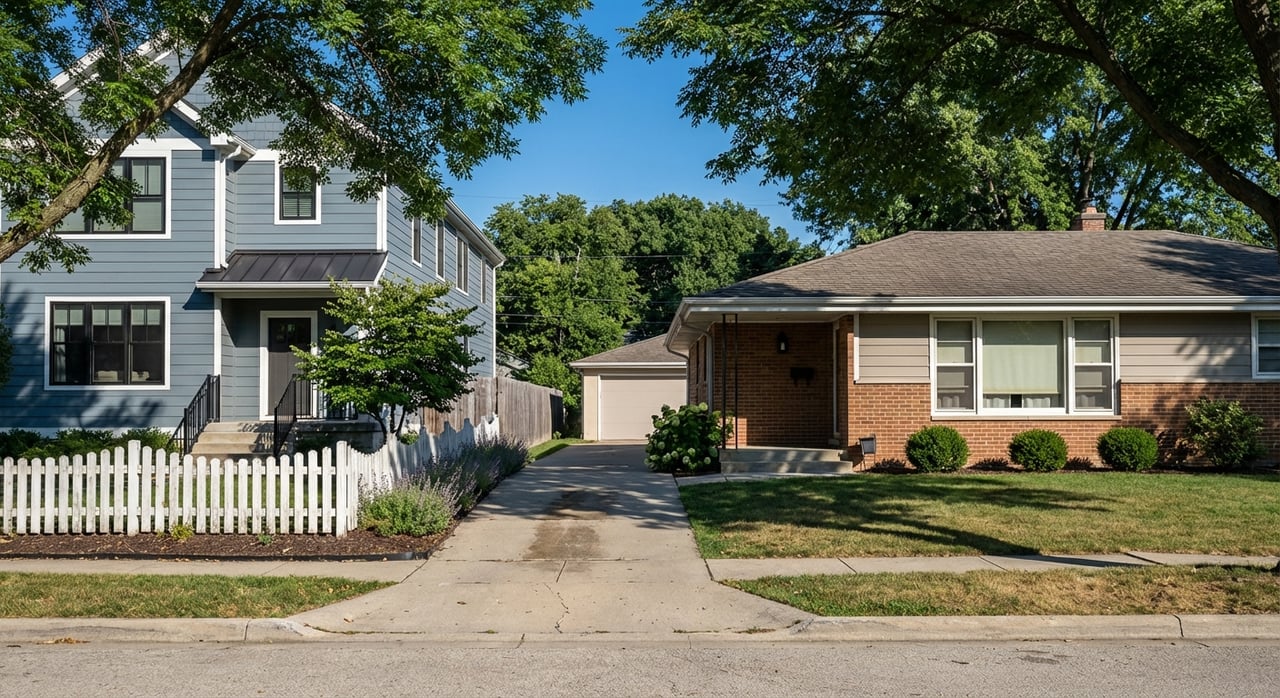
These homes sit near principal arterials and highways that connect to Boulder, Denver, and regional employment centers. Housing can vary from older ranches and split-levels to infill townhomes and higher-density options. Lot sizes range widely, and traffic visibility or noise can be a factor. You’ll often have convenient access to regional bus connections and corridor retail, though walkability to a central downtown may be lower.
Who it suits
- You prioritize shorter drive times to major employment centers.
- You want a straightforward route to highways or transit.
- You prefer convenience over a quiet, tucked-away setting.
What to consider
- Evaluate noise, traffic, and lot orientation, especially near busy roadways.
- Check for any planned road widening or transportation projects that could affect the property.
- Understand zoning and the potential for corridor redevelopment.
Quick checks before you buy
- Test commute times during peak hours for both directions.
- Visit at rush hour and late evening to assess noise and activity.
- Review transportation plans to spot projects that could change access or traffic flow.
Parks, trails, and outdoor access
Lafayette maintains an interconnected trail system and multiple open space areas. Edge subdivisions often include planned trail links and pocket parks, while central neighborhoods rely on municipal sidewalks and nearby parks. Waneka Lake Park is a popular central amenity for walking, picnics, and community gatherings. When comparing homes, note trail connections, park proximity, and whether you need quick access to regional open space or dog-friendly areas.
Sun and wind exposure can vary, especially on the city’s periphery. If you want a larger yard, consider microclimate factors like shade patterns and irrigation needs for maintenance.
Which neighborhood fits you
- Walkable-lifestyle seekers: Old Town offers character, smaller yards, and easy downtown access.
- Family-focused buyers: Newer planned communities provide predictable lots, playgrounds, and modern layouts.
- Daily commuters: Corridor locations reduce drive times with quick highway and transit access.
- Downsizers and empty nesters: Choose Old Town for walkability or a planned community for low-maintenance living.
- Investors: Corridors and higher-density areas often see strong rental demand; Old Town can be attractive for short-term stays if local rules allow.
How to decide: a simple checklist
- Define your top priority: walkability, modern features, or commute.
- Clarify yard needs and maintenance preferences; check assessor data for lot sizes.
- Verify HOA fees, rules, and what services are included in newer communities.
- Confirm current school boundaries with the district before making decisions.
- Test drive and transit commutes during peak times.
- Compare recent sales and days on market for your target property type using current market data.
- Ask city or county staff about upcoming projects that could affect neighborhood character.
- Consider seasonality. Spring and summer usually see more listings, while winter can bring fewer options and potential for less competition.
- If looking at older homes, discuss financing and insurance with your lender and insurer, especially near waterways.
Work with a local guide
Choosing between Old Town charm, master-planned convenience, and commuter access is easier when you have local insight. A neighborhood-savvy broker will help you weigh tradeoffs, verify details with city and county sources, and negotiate the right terms for your situation. If you are selling, design-forward presentation can position your home effectively across buyer profiles.
Have questions or want a neighborhood-by-neighborhood tour tailored to your lifestyle? Connect with Barb Passalacqua to map your options, compare recent sales, and move forward with confidence.
FAQs
What are the main differences between Old Town and master-planned areas in Lafayette?
- Old Town offers walkability and historic homes on smaller lots, while master-planned areas feature newer construction, HOAs, and planned parks and trails.
How close are Lafayette neighborhoods to Waneka Lake Park and other amenities?
- Proximity varies by block, but central neighborhoods can be near Waneka Lake Park, while edge communities often include their own parks and trail links.
How do HOAs impact life in Lafayette’s newer communities?
- HOAs may set landscaping standards, handle some exterior services, and manage amenities, so review fees, covenants, and what is included before buying.
What should commuters to Boulder or Denver know about corridor neighborhoods?
- Homes near major routes offer faster access to highways and transit, but you should evaluate traffic patterns, noise, and any planned road projects.
How should I factor schools into my Lafayette neighborhood choice?
- School assignments can vary by address and change over time, so verify current boundaries directly with the school district for each property.
When is the best time to shop for a home in Lafayette?
- Inventory tends to be higher in spring and summer, while winter can have fewer listings and potentially less competition depending on the year.