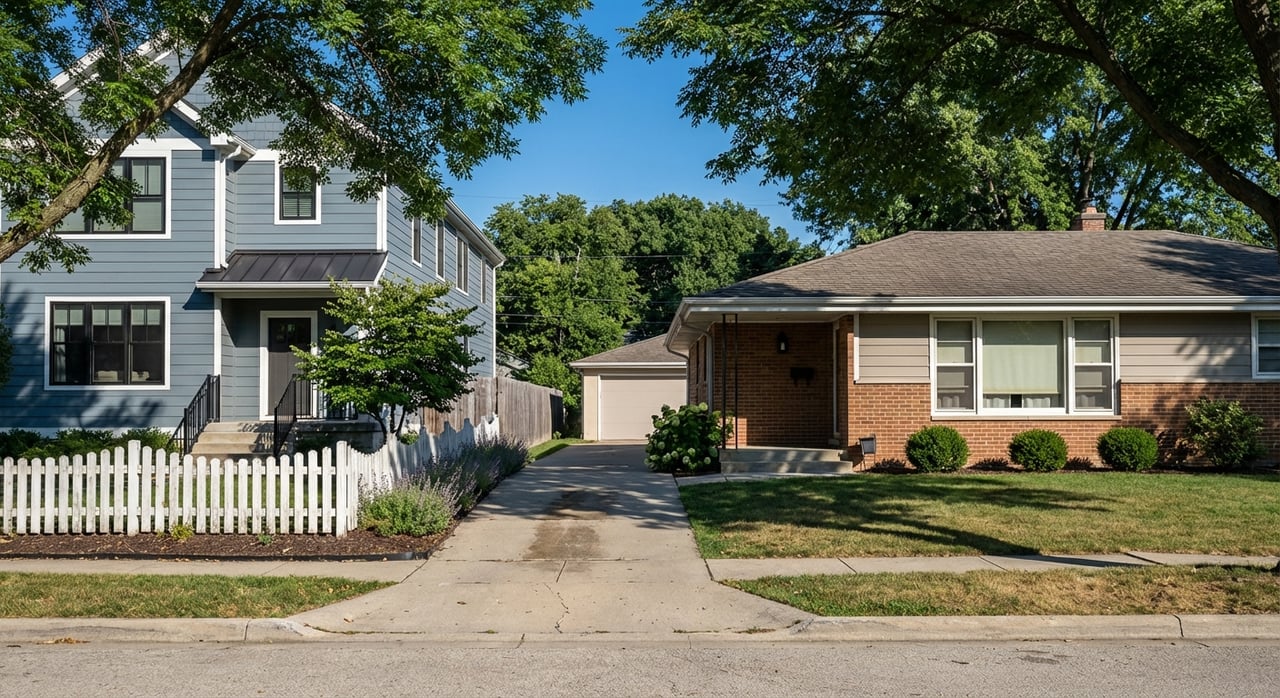
Looking for small-town charm with easy access to Boulder and the Front Range? If you picture weekend farmers markets, evening concerts, and bike rides on tree-lined trails, Louisville might be a great fit. In this guide, you’ll learn what daily life looks like, how the main housing styles match different routines and budgets, and what to know about commute times, schools, and resilience planning. Let’s dive in.
Louisville at a glance
Louisville sits just east of Boulder and blends a historic Main Street with modern amenities. The city’s population is about 20,811, and median household income is $149,159, according to U.S. Census QuickFacts. You can reach downtown Boulder in roughly 10 miles and 15 to 20 minutes in normal traffic, based on typical drive-time estimates. The city is generally car-dependent, yet it is consistently very bikeable, so many daily errands and trail outings are easy on two wheels.
Old Town life and local events
Old Town is the social heart of Louisville. Main Street and Front Street host independent cafés, wine bars, small retailers, and seasonal programming that keeps the calendar full. The city organizes a Friday night Street Faire, a May-to-October farmers market, and Summer Concerts in the Park, along with holiday traditions like the Parade of Lights. You can browse the current lineup on the City of Louisville events page.
A typical evening might look like this: an easy walk to Main Street, dinner on a patio, and live music at Steinbaugh Pavilion. In winter, Old Town Skate brings outdoor ice to the center of town for a festive feel. For a local flavor, consider a morning stop at Bittersweet Café, a longtime Main Street spot often featured in regional lifestyle coverage, like this profile in Boulder Magazine.
Outdoor access and trail network
Louisville’s trail system is a major lifestyle draw. The Coal Creek Regional Trail runs more than 14 miles through Louisville and neighboring towns, making it a go-to route for runs, family bike rides, and commuting by bike. Find maps and details on the Boulder County Coal Creek Trail page. You will also find neighborhood loops near Harper Lake and Hecla Lake, plus connections toward Davidson Mesa and area open spaces. It is easy to step outside and choose a short stroll, a vigorous ride, or a loop with mountain views.
Schools and civic amenities
Louisville is served by Boulder Valley School District. Local public schools include Louisville Elementary, Louisville Middle, and Monarch High School. Monarch’s profile shows strong performance indicators in state data; you can review details on the Colorado SchoolView page. Always check current district resources for boundaries and programs.
Beyond schools, the city supports a full set of civic amenities. You will find a recreation and senior center, a public library, a small historical museum, and Coal Creek Golf Course. For an overview of local attractions and facilities, visit the city’s Places to Go page.
Housing styles in Louisville
Louisville’s housing tends to fall into three main categories. Each one supports a different daily rhythm, from front-porch evenings near Main Street to low-maintenance townhome living or larger homes with yards in newer neighborhoods.
Old Town bungalows and historic cottages
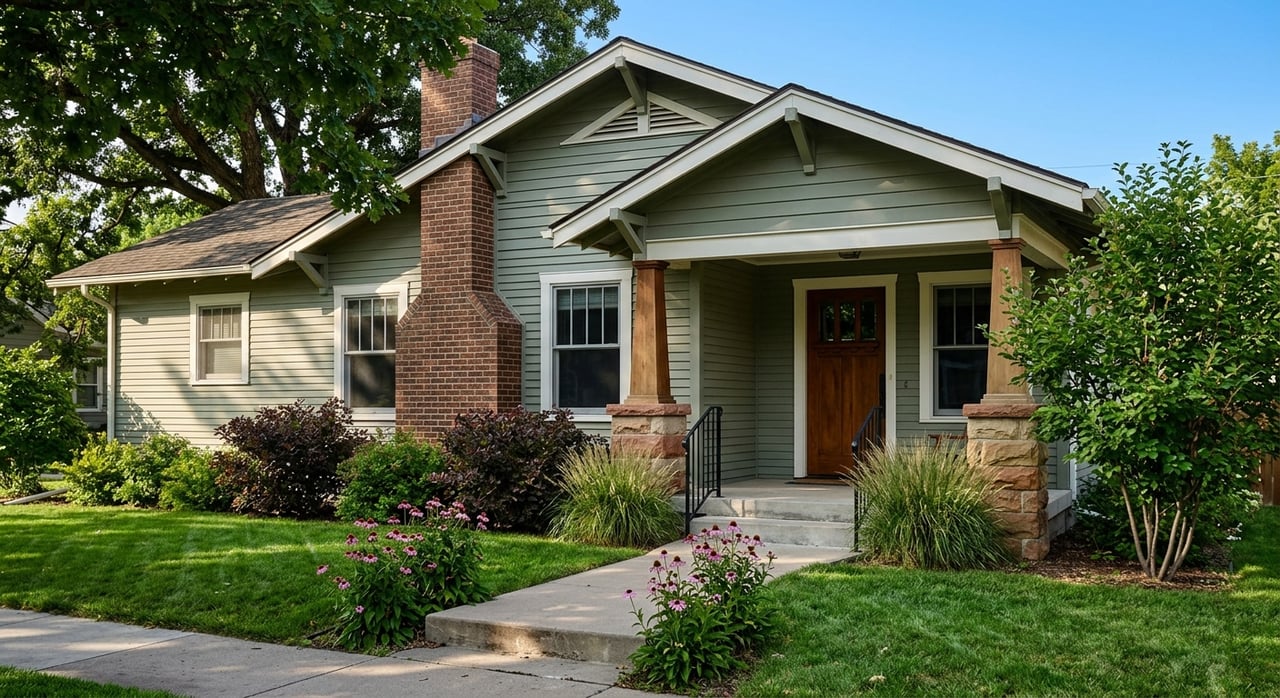
These early 20th-century homes cluster around the historic core and often sit a short walk from restaurants, events, and the library. Expect period details like wood trim and built-ins, along with tradeoffs such as smaller kitchens or older mechanical systems in some properties. Several homes in town are individually recognized for their heritage, such as the Rhoades House, a listed example of local coal-era housing.
Who it fits: You if you want walkability, character, and a smaller yard. You will likely spend more time downtown and at community events, and less time on yard work. Old Town homes often command a premium tied to location and charm.
Townhomes and condominiums
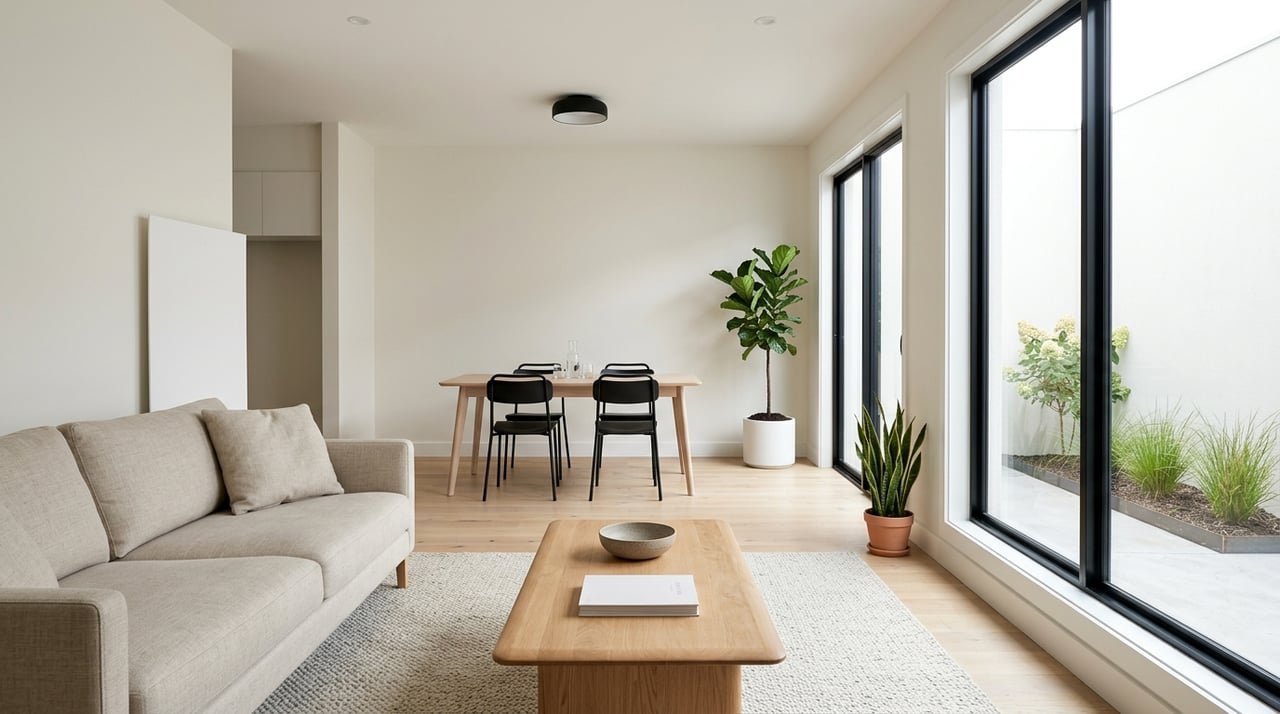
Attached homes range from compact condos to multi-level townhomes built from the 1980s to recent years. Many communities include garages and HOA-managed exterior maintenance, which simplifies your to-do list. Resale pricing spans a wide range. Smaller condos can appear in lower price bands, while newer or well-located townhomes trend higher.
Who it fits: Buyers who want low-maintenance living with easy access to trails and downtown. It also suits commuters who prefer to bike to Main Street or hop on US 36 for work.
Newer single-family homes and subdivisions
Newer neighborhoods and infill areas deliver larger floor plans, open kitchens, and modern systems. Many homes include 3 to 4 or more bedrooms, dedicated office space, and larger garages. These areas are usually car-oriented but still connect to trails and open spaces.
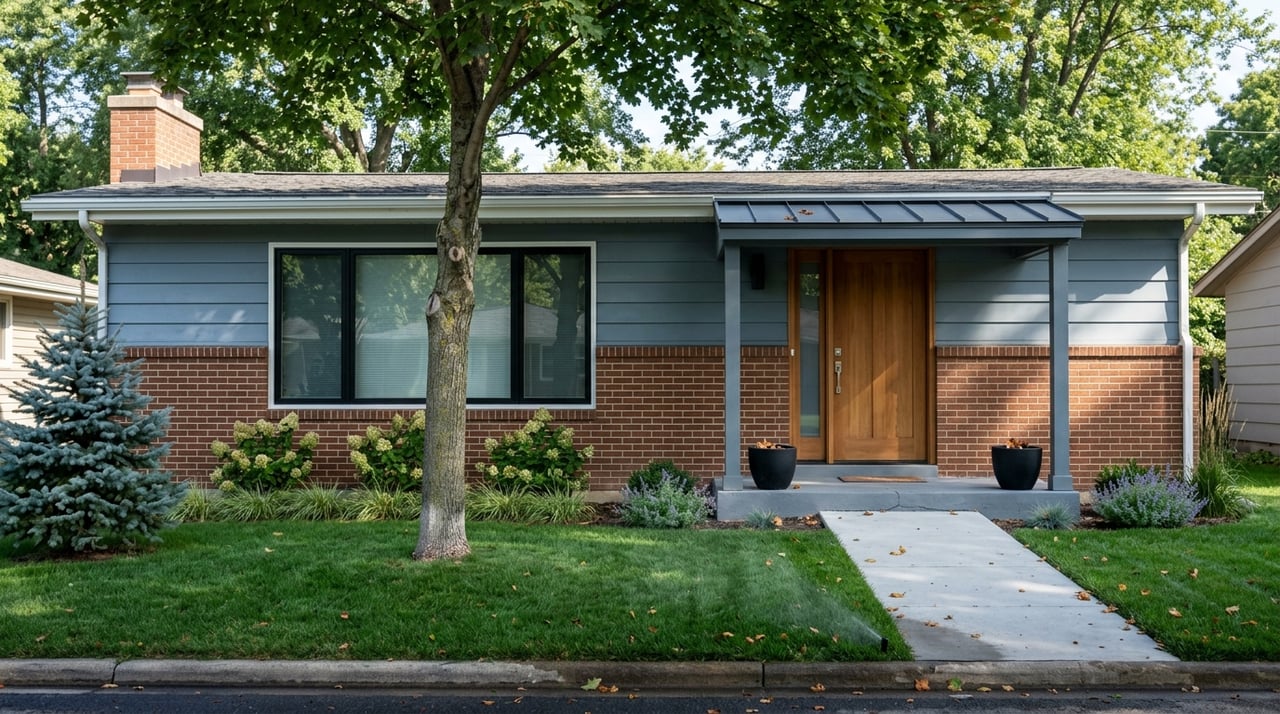
Who it fits: Households that want more square footage, multiple bedrooms, and a yard for play or gardening. Many of these properties sit at or above the citywide median, with upper-end homes moving into the seven-figure range depending on size and finishes.
Market snapshot and budget planning
Recent snapshots from multiple market trackers show Louisville’s median sale price clustered in the low to mid $800,000s. The pace has been described as somewhat competitive, with many homes still taking time to find the right match. Renters will find recent rent estimates around $2,235 per month for typical units. Numbers move with the season, so plan your budget with fresh comps and a clear view of HOA dues, taxes, and insurance.
Short tips for planning:
- Build room for inspections and any upgrades, especially in older homes.
- For condos and townhomes, review HOA budgets and reserves before you write an offer.
- For newer single-family properties, compare energy features and recent system updates to help forecast operating costs.
Commute and getting around
Many residents commute to Boulder or along the US 36 corridor. The drive to downtown Boulder is about 10 miles, often 15 to 20 minutes, per typical route estimates. Louisville is overall car-dependent, yet the bike network and the Coal Creek Trail make short trips to parks, schools, and Old Town simple by bike. If you plan to commute by bike, test-ride your route at the same time of day you expect to travel.
Resilience, rebuilding, and resources
The 2021 Marshall Fire affected parts of Louisville and nearby communities. The city maintains a comprehensive hub for permits, progress dashboards, and rebuilding guidance. If you are buying, you may encounter homes that were rebuilt or lots still in transition. You can find official information on the city’s rebuilding resources page. For any property, it is wise to review building materials, landscaping near the structure, and city guidance about resilient design.
Which Louisville fits your life?
- Choose Old Town if you want front-porch evenings, quick access to the Street Faire and the farmers market, and a short walk to dining.
- Choose a townhome or condo if you want low-maintenance living, an attached garage, and short rides on the Coal Creek Trail.
- Choose a newer single-family home if you want multiple bedrooms, flexible work space, and a yard close to trails and parks.
Your next step
If Louisville feels like home, the right guidance will help you align lifestyle, budget, and location. Whether you are choosing between Old Town character and newer square footage, or weighing HOA living against a yard, thoughtful local advice makes the difference. For a clear plan and negotiation-first representation, connect with Barb Passalacqua.
FAQs
What is daily life like in Old Town Louisville?
- Expect a walkable Main Street, frequent city events like the Street Faire and concerts, and easy access to cafés and the library in a compact, historic setting.
How much do homes cost in Louisville, CO today?
- Recent snapshots place the median sale price in the low to mid $800,000s, with Old Town gems and larger newer homes often above the median; verify current comps before you shop.
Can I walk or bike to restaurants and parks in Louisville?
- Old Town is very walkable, and the city overall is highly bikeable with routes like the Coal Creek Trail connecting neighborhoods to downtown and open space.
Which schools serve Louisville, and how do they perform?
- Louisville is in BVSD with schools such as Louisville Elementary, Louisville Middle, and Monarch High; state profiles like Colorado SchoolView show strong indicators, and boundaries can change.
What should I know about the Marshall Fire and rebuilding in Louisville?
- The city provides official permits, progress dashboards, and guidance on its rebuilding resources page; check these when evaluating properties.
How long is the commute from Louisville to Boulder?
- The drive is about 10 miles and often 15 to 20 minutes in typical conditions, according to common route estimates.