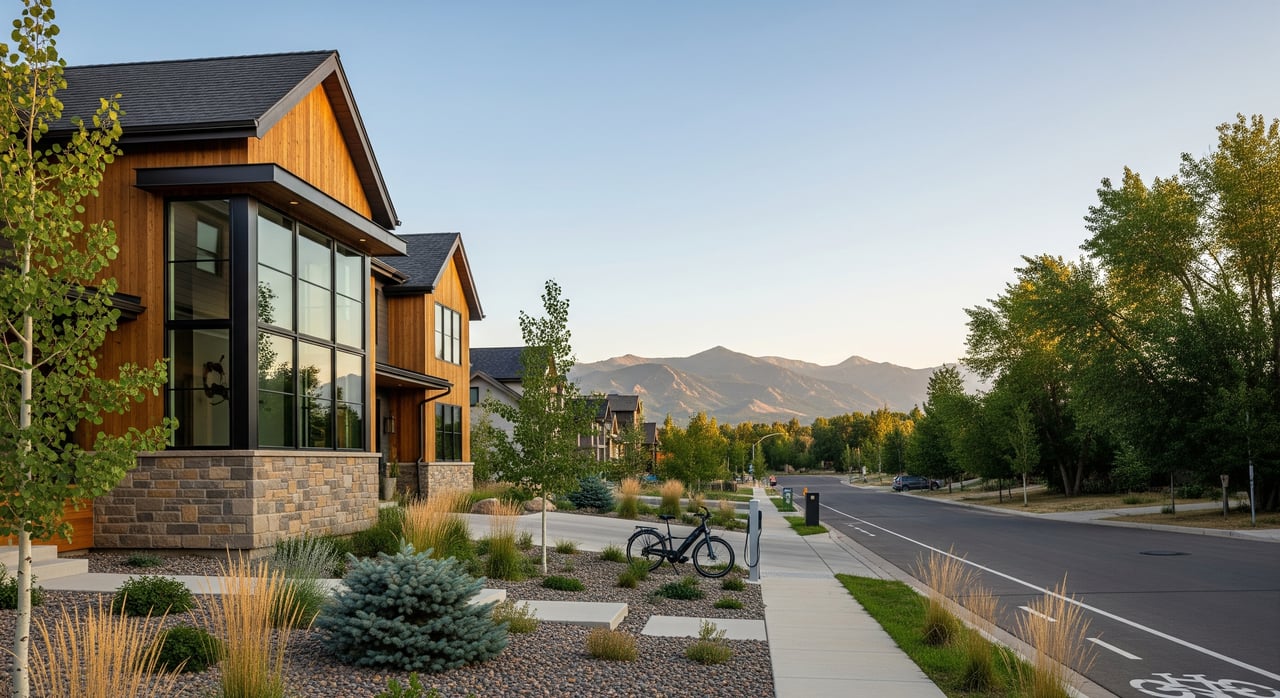
Thinking about a move to Longmont but not sure where to start? You are not alone. Many buyers want the space, trail access and value this city offers, yet still need practical commutes to Boulder or Denver. In this guide, you will get a clear picture of neighborhood styles, everyday conveniences, outdoor lifestyle, and what to expect for drive times. Let’s dive in.
Why Longmont stands out
Longmont sits in northeastern Boulder County with a 2020 population of about 97,000. It offers a balanced lifestyle with its own job base, a lively downtown, and quick access to Boulder County’s trail networks and mountain gateways. You will find a wide mix of housing, from historic bungalows to new-build subdivisions on the edges of town.
Compared with central Boulder, Longmont is generally more affordable while still offering strong outdoor access and community amenities. Many relocating buyers choose between walkable Old Town, suburban neighborhoods with larger yards, or edge locations that trade a longer drive for more space.
Neighborhoods at a glance
Old Town and Downtown
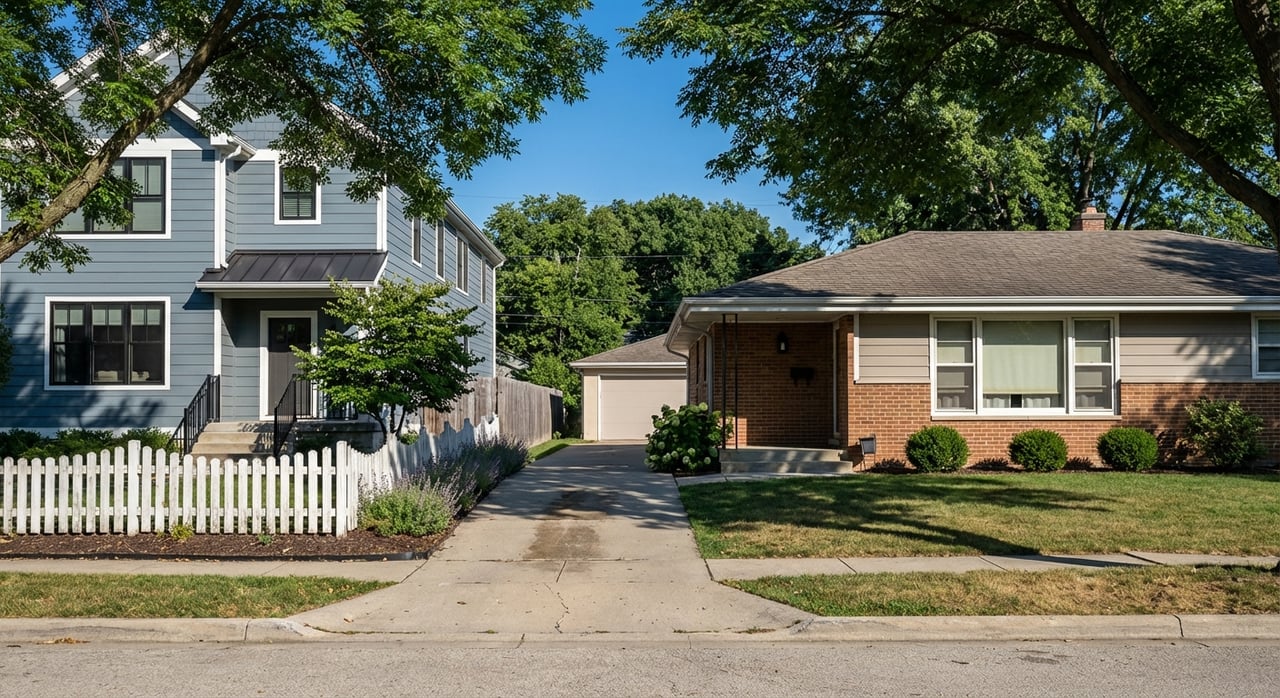
Old Town centers on a historic, walkable core with restaurants, shops and civic spaces. Housing includes older bungalows, Victorian-era homes and some newer infill townhomes and condos. Lots tend to be smaller, but you gain a lively street scene and the convenience of daily errands close by.
This area can fit if you value character, walkability and an active downtown lifestyle. Expect a mix of renovated homes and properties ready for your updates. Parking and yard size vary by block, so it helps to tour several streets to compare.
North Longmont and newer suburbs
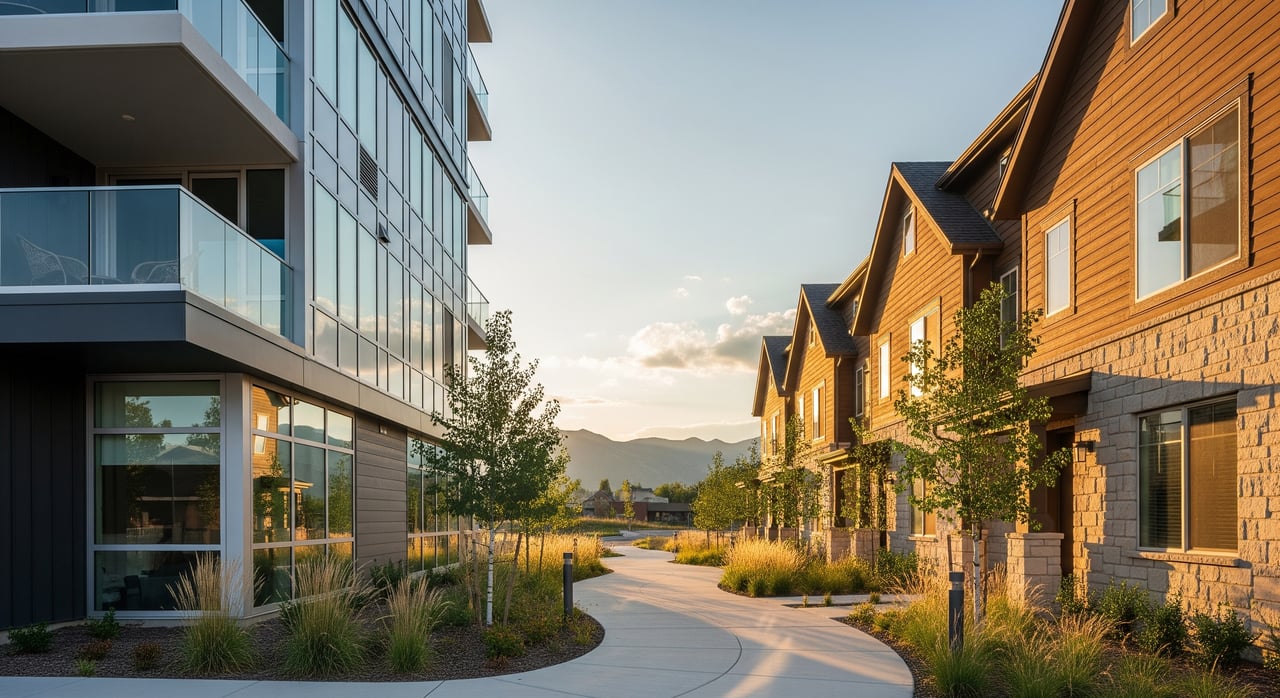
North Longmont ranges from older residential blocks to large, planned communities toward the city limits. You will see more new construction, larger floor plans and a mix of single-family homes and pockets of multifamily. Subdivisions often feature neighborhood parks and trail connections.
Buyers often look here for newer systems, open layouts and a bit more yard for the price. If you commute to Boulder or the northern Denver suburbs, study access points to major routes to keep drive times predictable.
South Longmont and Ken Pratt corridor
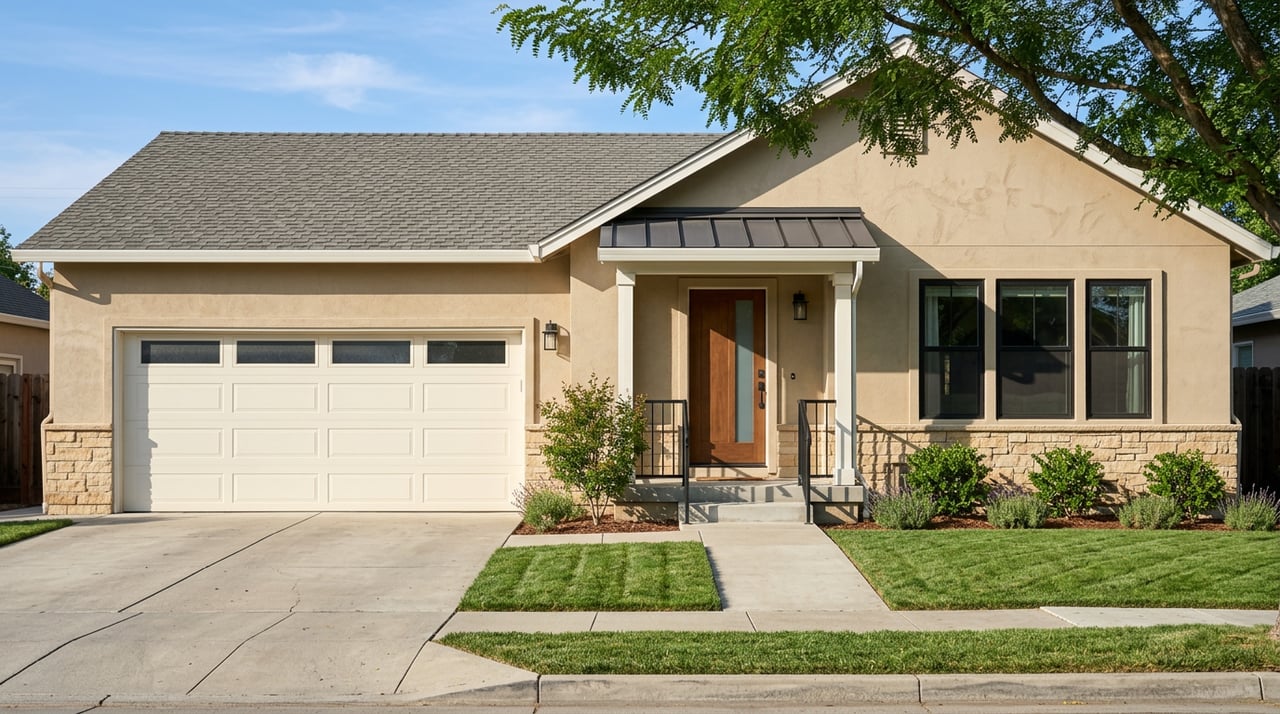
South Longmont offers suburban neighborhoods close to schools, parks and retail along Ken Pratt Boulevard. Home styles range from mid-century to more recent builds, along with townhome communities that simplify maintenance.
If your routine includes frequent shopping runs, sports fields and community centers, this area keeps daily travel simple. Street networks here also feed directly to east-west and north-south arterials for quicker citywide access.
East Longmont and the agricultural fringe
As you move east, neighborhoods transition toward larger lots and a quieter, more rural feel. You may find newer developments next to properties with more acreage or agricultural use. The appeal is space and separation while staying close to city services.
If you need room for gear, a workshop or extra vehicles, prioritize garage capacity and storage. Verify utility providers and broadband options at the address, especially on the edges of service areas.
Golf-adjacent areas and nearby towns
Neighborhoods near local golf courses and green spaces offer leafy views and quick park access. Some relocating buyers also consider nearby towns for lifestyle or price comparisons:
- Niwot: small-town center and convenient south-of-Longmont location.
- Lyons: western gateway with quick mountain access.
- Erie and Firestone: growing communities east and north with a range of newer subdivisions.
Each of these comes with different commute and pricing tradeoffs. If you are deciding between Longmont and a nearby town, map your daily routes first, then compare housing styles and services.
Commutes and getting around
Commutes to Boulder
Boulder sits roughly 15 to 20 miles away depending on your start and end points. Off-peak, many drivers see about 20 to 35 minutes. Peak periods can stretch to 30 to 50 minutes or more.
CO-119, the Diagonal Highway, is the main corridor. Your exact time depends on neighborhood access to the Diagonal and your destination in Boulder. Some residents choose to bike for local trips thanks to Longmont’s trail network; fit cyclists may ride to Boulder, though it is not typical for daily commuting.
Commutes to Denver
Central Denver is roughly 30 to 40 plus miles from Longmont. Off-peak drives often run 40 to 60 minutes, with peak periods exceeding an hour based on congestion and the route you choose.
Common paths use I-25, US-36 or a combination depending on your destination. If you plan a hybrid workweek, you may find a wider range of neighborhood fits because you are not driving every day at peak times.
Transit, park-and-ride and bikes
Regional and commuter bus services link Longmont with parts of Boulder and Denver, though options are more limited than driving. Park-and-ride lots and commuter lines serve popular corridors. Local bus and shuttle services operate within the city, and an extensive trail and bike network supports short commutes and errands.
For larger employers in Boulder and Denver, ask about transportation incentives or shuttles. If you plan to make transit part of your routine, check current schedules and frequency before you set your neighborhood shortlist.
Outdoor access and lifestyle
Trails and greenways
The St. Vrain Greenway runs along St. Vrain Creek, connecting parks and open spaces across town. It gives you a traffic-free way to run, bike or take a stroller into nature. Many neighborhoods also link to local trails, which makes before-work rides and evening walks part of daily life.
City parks, sports fields and community centers are spread across Longmont. If regular pick-up games, swim lessons or fitness classes are part of your week, look for homes that keep you close to your favorite facilities.
Mountains, lakes and winter day trips
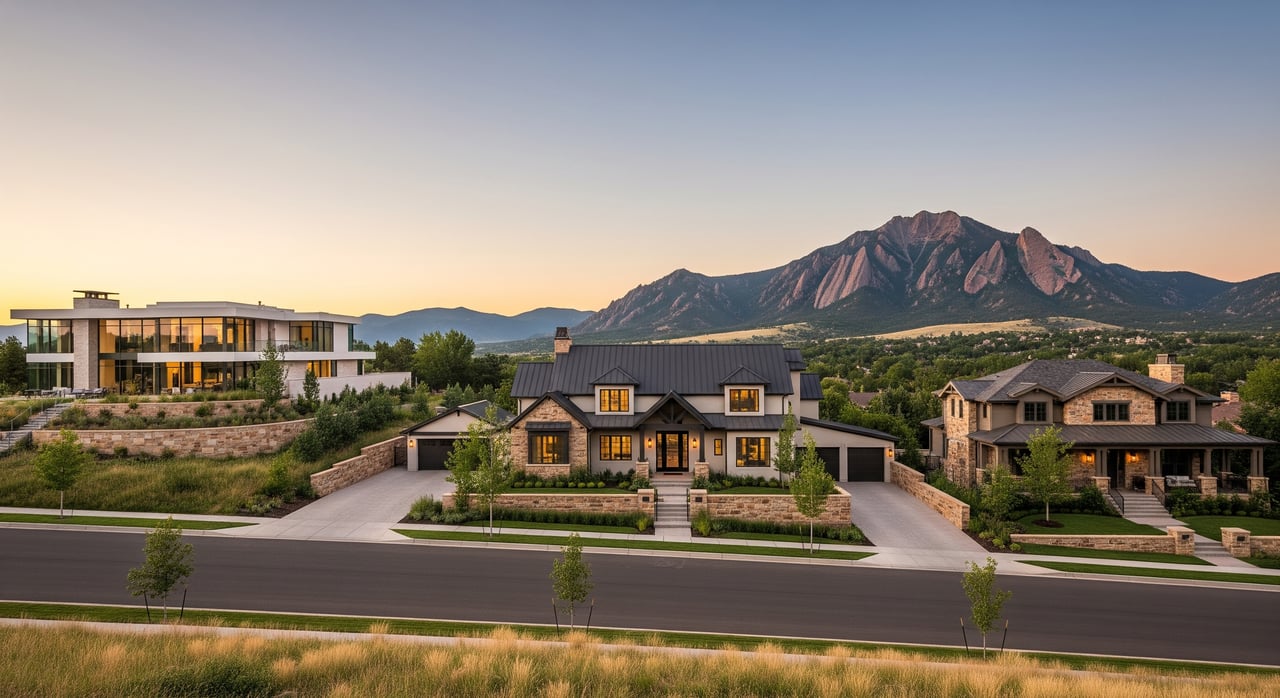
You are within an easy drive of Boulder County trailheads and the Indian Peaks and Flatirons areas. Depending on the trailhead, plan for 20 to 60 minutes. Water lovers can reach Carter Lake or Boulder Reservoir for boating, swimming and fishing. In winter, day-trip ski options like Eldora and other Front Range-accessible resorts are within reach with an early start.
Home features for an outdoor lifestyle
If your gear list runs long, plan for storage. Many Longmont buyers look for a two-car or three-car garage, a mudroom, secure bike storage and easy-to-clean flooring near entries. Edge-of-town homes sometimes offer more space for racks and workbenches, while Old Town homes may trade storage for walkability.
Everyday conveniences and services
Schools and enrollment
Longmont is primarily served by the St. Vrain Valley School District. The district includes multiple elementary, middle and high schools, plus charter and private options in and around the city. Enrollment boundaries and transfer policies can change, so confirm the current school assignment for any address on your list.
If school proximity is a priority, share your preferences early. Your agent can help you focus on neighborhoods that align with your needs and guide you to the latest district information.
Healthcare access
Longmont has at least one full-service hospital along with urgent-care clinics and specialty providers. For more advanced specialty care, Boulder and Denver centers are within a regional drive. When you tour, note the distance to your preferred providers and pharmacies.
Groceries, retail and daily errands
You will find national grocers, local markets and big-box retail in multiple parts of Longmont. Downtown and neighborhood retail clusters support quick errands and dining close to home. If childcare or eldercare is on your list, start early, since waitlists are common for in-demand providers.
Utilities and broadband
Utility providers can vary by neighborhood and location at the city’s edge. Broadband coverage is generally strong, with fiber or fixed wireless in many areas. If you work from home, verify internet options at the address before you write an offer.
How to choose your Longmont fit
Clarify your top priorities
- Commute tolerance in minutes and days per week.
- Desired lot size and home age range.
- Walkability versus space and privacy.
- School preferences and proximity to activities.
Test your commute and routine
- Drive your route to Boulder or Denver during peak hours you expect to use.
- Visit on weekdays and a weekend to gauge traffic, noise and park use.
- Time trips to groceries, schools, sports fields and favorite restaurants.
Focus your neighborhood list
- Old Town if walkability and character lead your list.
- North and South Longmont for newer homes and easy arterials.
- East fringe for larger lots and a quieter setting.
- Golf-adjacent pockets if green views and park access matter.
Verify details at the address level
- Confirm school assignment and any choice or transfer rules.
- Check broadband speeds and utility providers.
- Ask about nearby development plans that could change traffic or views.
Prepare for the offer stage
- Review recent comparable sales to set expectations.
- Discuss inspection, earnest money and contingency timing for current market conditions.
- Align on a negotiation plan that fits your goals and comfort level.
Work with a local advocate
Longmont offers many great options, and the right fit comes from matching your daily life with the neighborhood’s strengths. A local, negotiation-focused agent helps you cut through the noise, test assumptions about commute and access, and move confidently from shortlist to closing.
If you are weighing Longmont against nearby towns or choosing between Old Town charm and a newer suburban layout, let’s talk through your priorities and map a smart path forward. Connect with Barb Passalacqua to start a tailored search and tour plan.
FAQs
What are typical Longmont-to-Boulder commute times?
- Off-peak often runs about 20 to 35 minutes, with peak periods commonly 30 to 50 minutes or more depending on route and endpoints.
Which Longmont areas are most walkable for dining and errands?
- Old Town and Downtown offer the city’s most walkable environment with restaurants, shops and civic amenities close together.
Where can I find newer construction in Longmont?
- Many newer subdivisions are in North Longmont and toward the city’s edges, with additional options in parts of South Longmont.
Is Longmont generally more affordable than Boulder?
- Yes, Longmont is typically more affordable than Boulder, though prices vary by neighborhood, home age and proximity to amenities.
What outdoor amenities stand out in Longmont?
- The St. Vrain Greenway, city parks, and proximity to foothill trailheads, lakes like Carter Lake and Boulder Reservoir, and day-trip ski areas.
What should I know about public schools in Longmont?
- Most addresses fall within the St. Vrain Valley School District; verify the current school assignment and enrollment policies for any specific property.